
Laube supplies custom cold headed parts to your drawings and specifications through its manufacturing partners. Cold heading forms wire or bar stock in dies at room temperature, which strengthens the material and cuts waste.
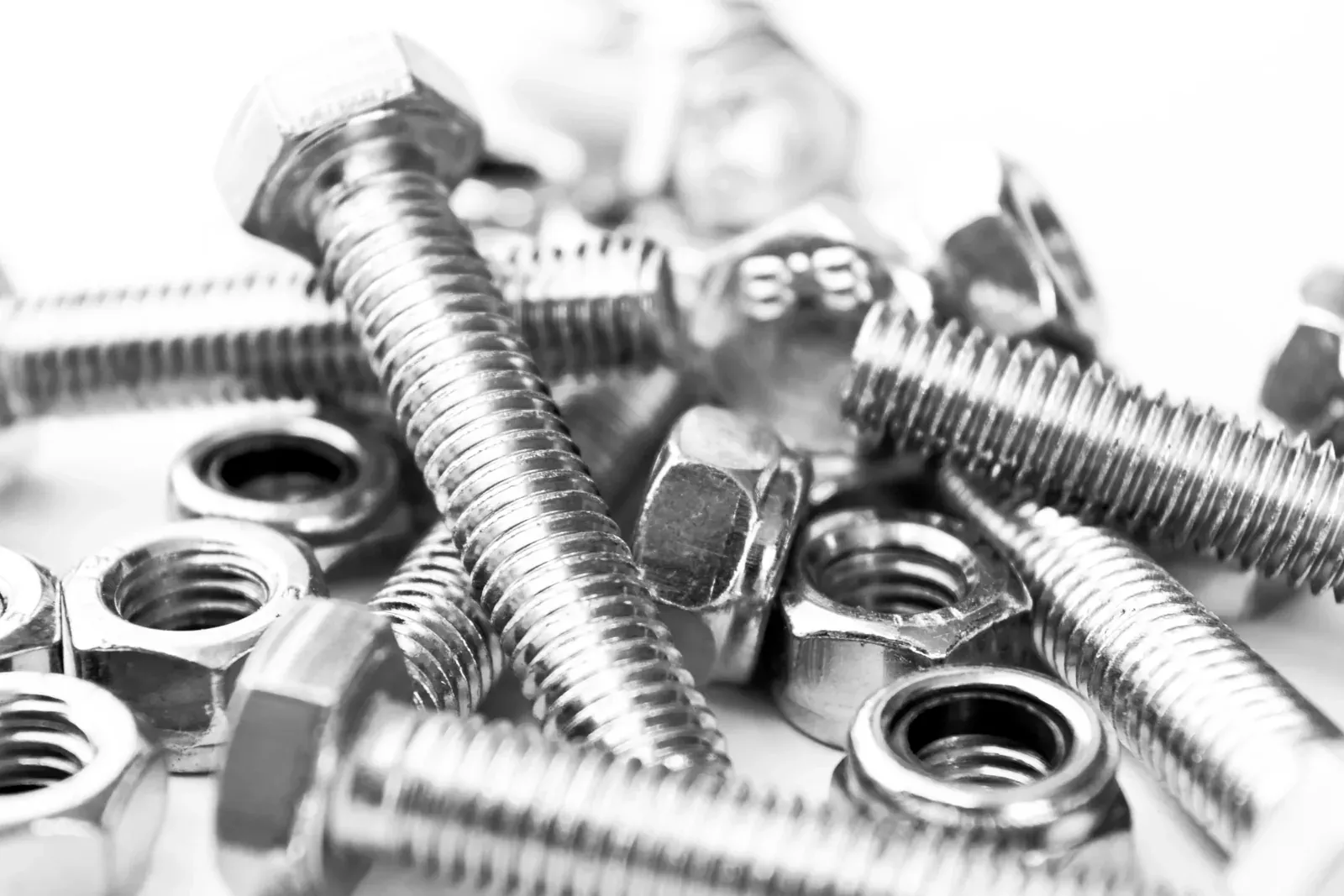
| Process | Wire or bar stock formed in high-pressure dies at room temperature |
|---|---|
| Typical parts | High-volume fasteners and precision metal components |
| Production | Prototype, short-run and full production quantities |
Why buy cold headed parts from Laube?
Cold heading is widely used to produce high-strength metal components efficiently and at scale. Laube supplies cold headed parts to the customer's drawing through its manufacturing partners, from prototype quantities to long-term supply programs.



What is cold heading?
- Wire or bar stock is shaped into components using high-pressure dies at room temperature
- The metal is formed rather than cut, which improves material strength and reduces waste
- Used for high-volume fasteners and precision components where consistency and durability matter
Materials
Materials supplied: Steel, stainless steel, aluminum, brass, titanium.
Related industries
Frequently Asked Questions
What is cold heading?
A cold-forming process in which wire or bar stock is shaped into components using high-pressure dies at room temperature. Because the metal is formed rather than cut, the part is stronger and less material is wasted.
What parts are cold headed?
High-volume fasteners and precision metal components where consistency, durability and efficient production are critical.
How do I start a cold-headed parts project with Laube?
Email your drawings, specifications and quantities to sales@laube.com. Laube quotes to the drawing.